
Latest News
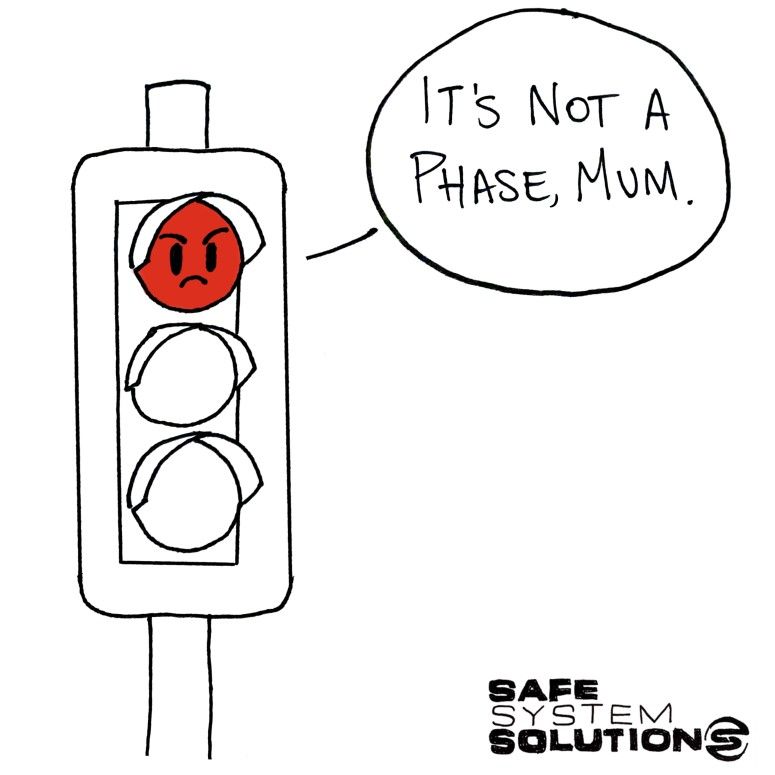
Safe System Sketch: Surviving the School Holidays
Safe System Sketch for all those traffic engineering parents that are just surviving school holidays... ----------- Follow Safe System Solutions Pty Ltd on LinkedIn for more updates and road safety industry news.
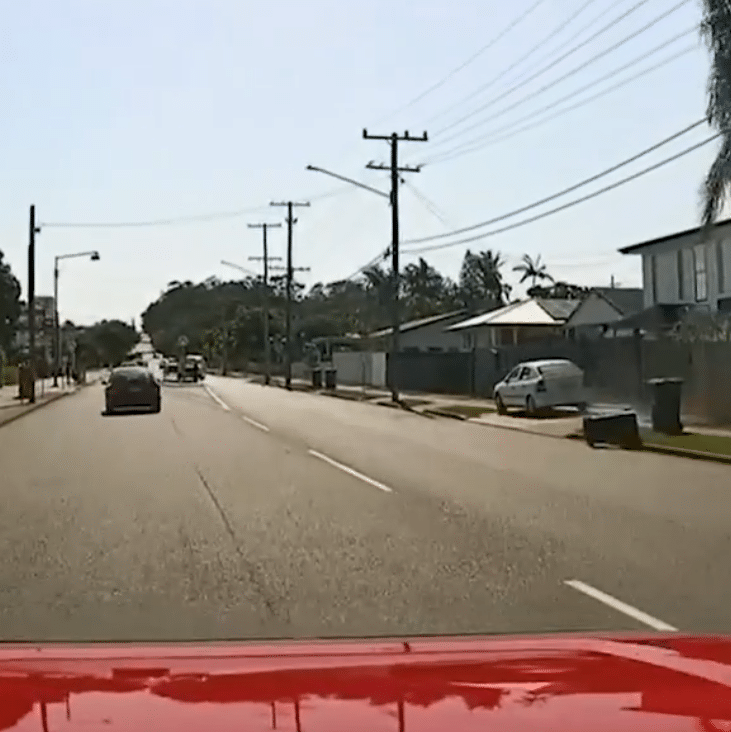
Kenngineering Notes: How is it that we can geo-fence eScooters but not these things?
How is it that we can geo-fence eScooters but not these things? ———- Follow Kenn Beer on LinkedIn for more updates and road safety industry news.
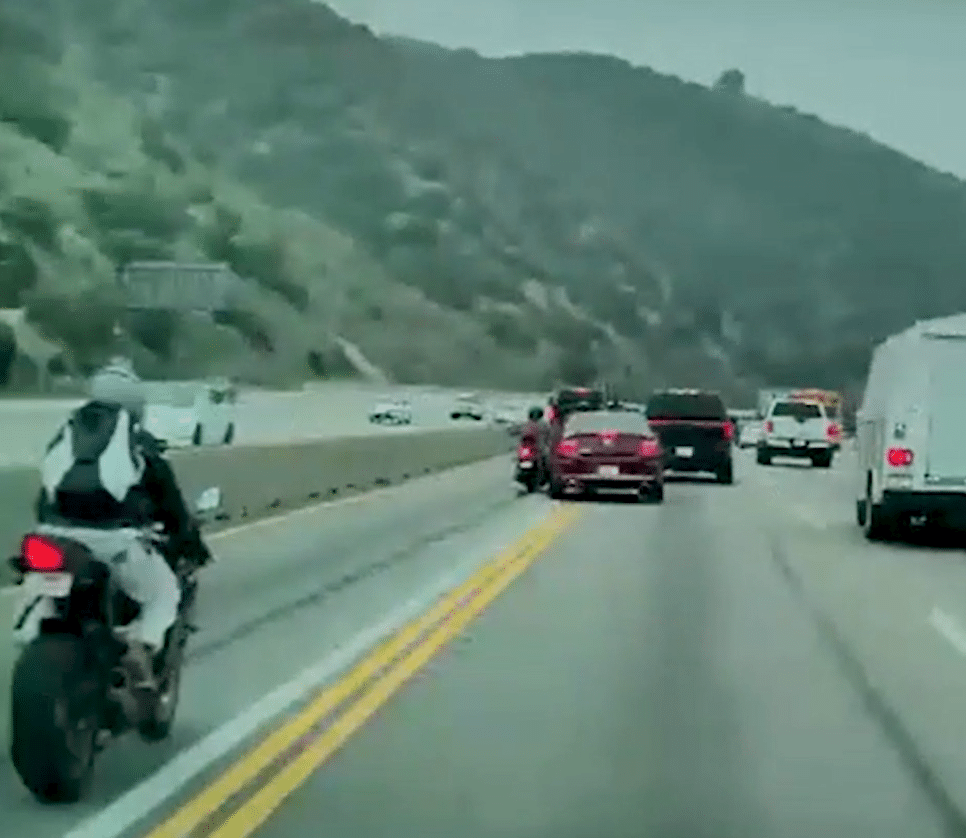
Safe System Snippet 569: Lane Support Systems Still Struggle with Motorcycles
Lane Support Systems (LSS) are getting better, but motorcycles remain one of the hardest road users for them to detect. Because motorcycles are smaller, narrower and produce a lower radar signature than passenger cars, many Advanced Driver Assistance Systems identify...
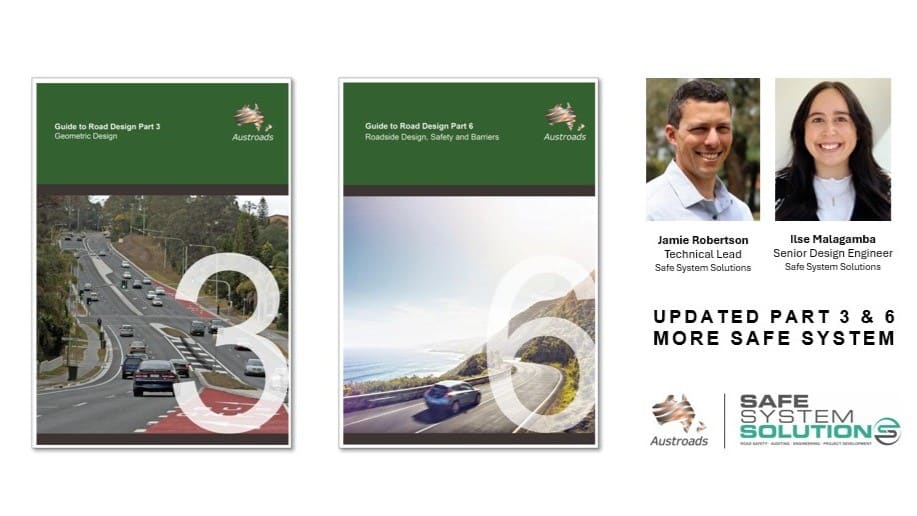
Updated Austroads Part 3 & Part 6 Guides Released. Here’s What’s Changed
Austroads has recently released updated editions of two of its most widely used design guides: Guide to Road Design Part 3: Geometric Design Guide to Road Design Part 6: Roadside Design, Safety and Barriers The Safe System Solutions team was heavily involved in these...
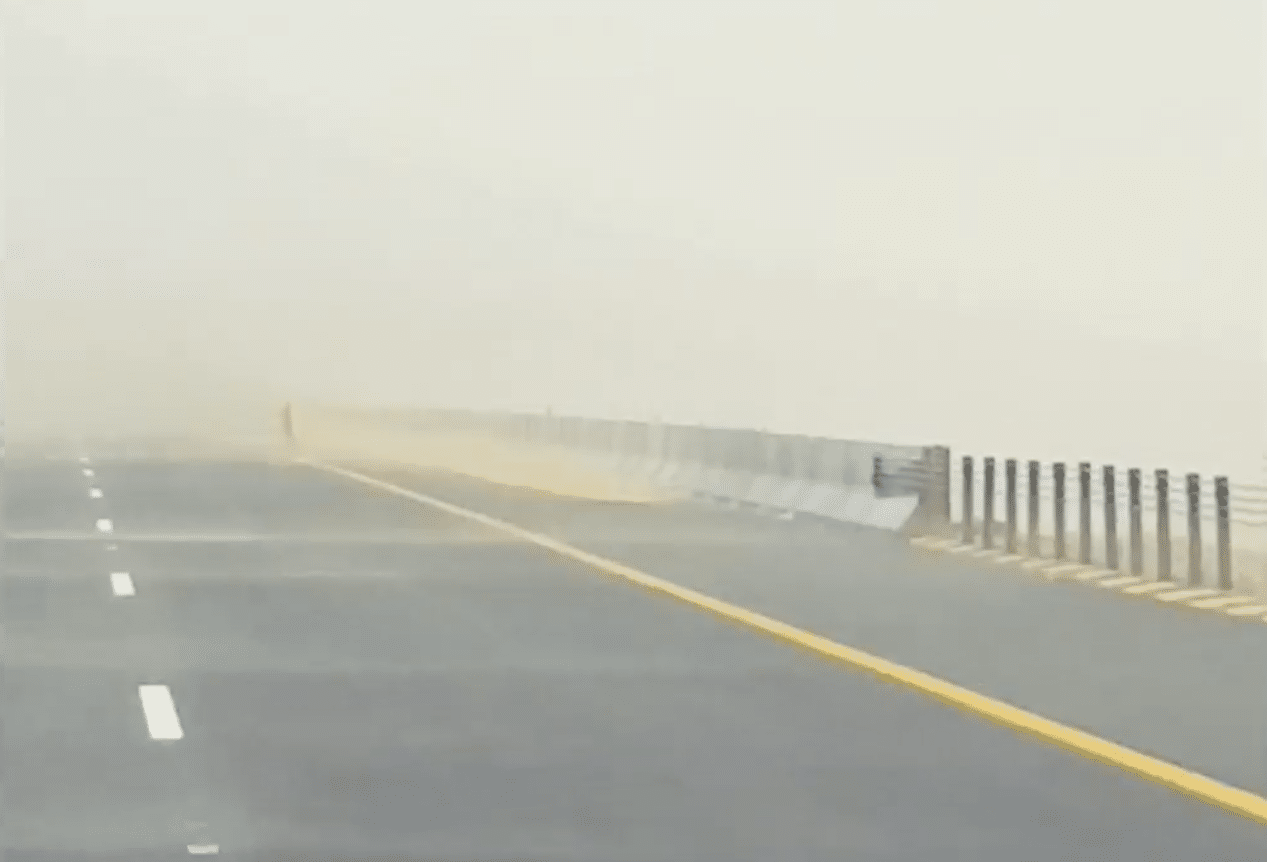
Safe System Snippet 568: An Unexpected Benefit of Wire Rope Barriers
In many parts of the world, drifting sand is a constant challenge. One of the biggest problems is what happens when the sand reaches a solid roadside barrier. Concrete and other barrier systems that do not allow sand to pass through act like a fence, trapping sand....
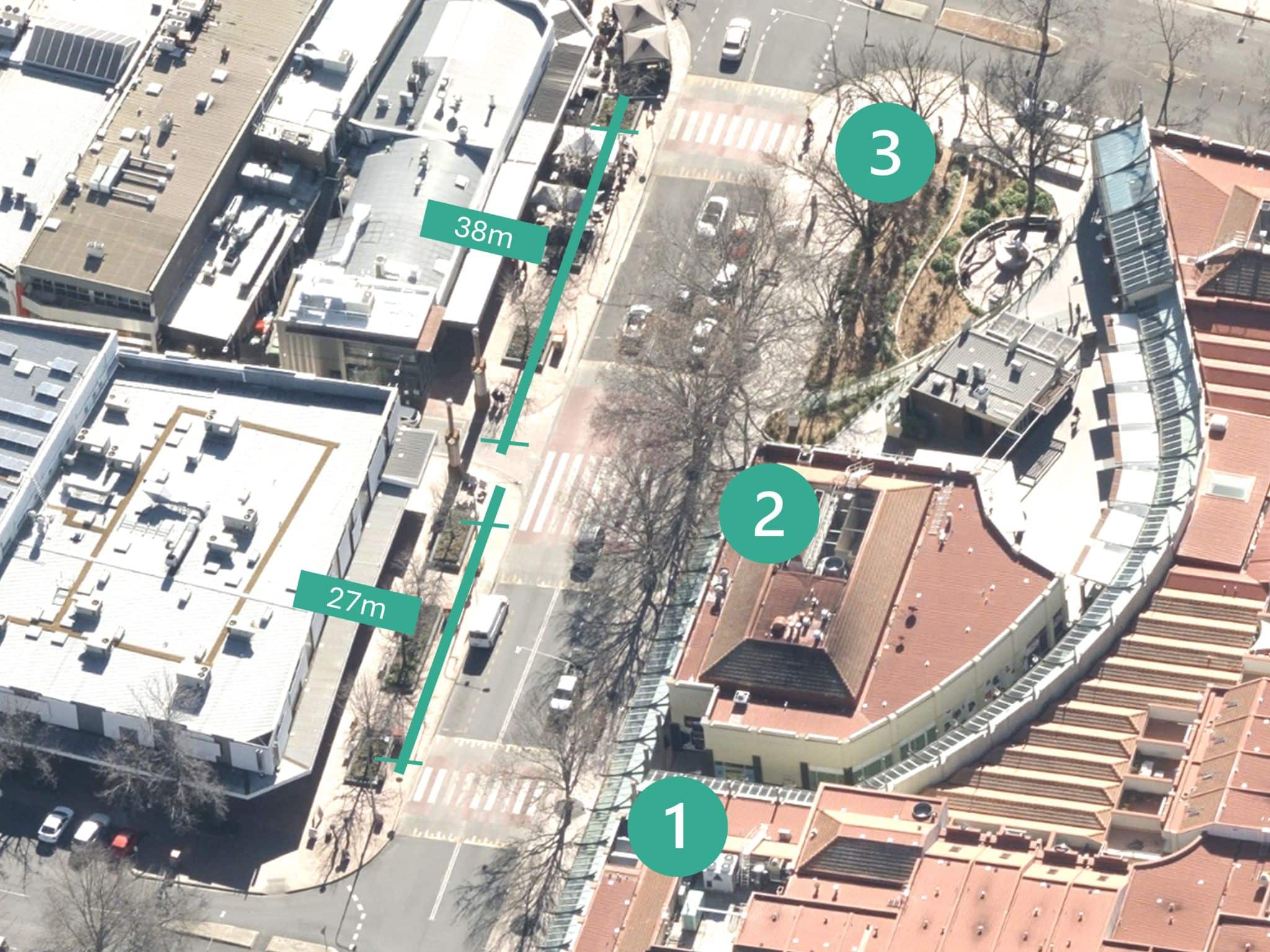
Kenngineering Notes: How close is too close for pedestrian crossings?
Last week I was in Canberra and (while wandering the streets) I came across these 3 pedestrian crossings in close proximity. It reminded me of some guidance tucked away in Appendix D of Transport for NSW's Pedestrian Crossing Guideline (see snip in photos). Creating...
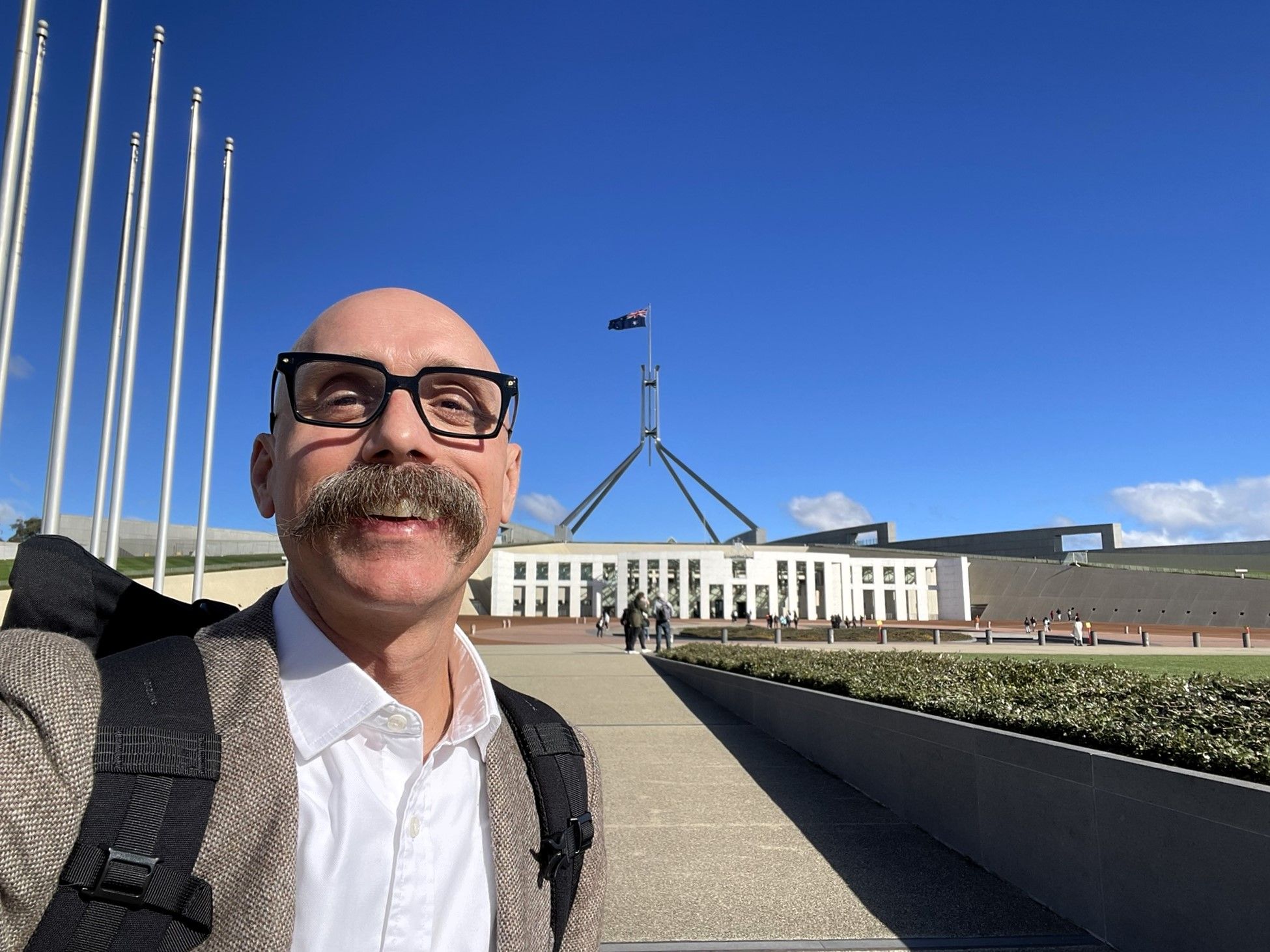
Kenngineering Notes: Congratulations to all the winners of this year’s National Road Safety Awards.
It was great to see such a diverse range of projects being recognised, each tackling road trauma from a different angle. Winners included MACA - Mobility and Accessibility for Children and Adults Ltd. , City of Vincent, Blacktown City Council, CLOCS-A and Transport...
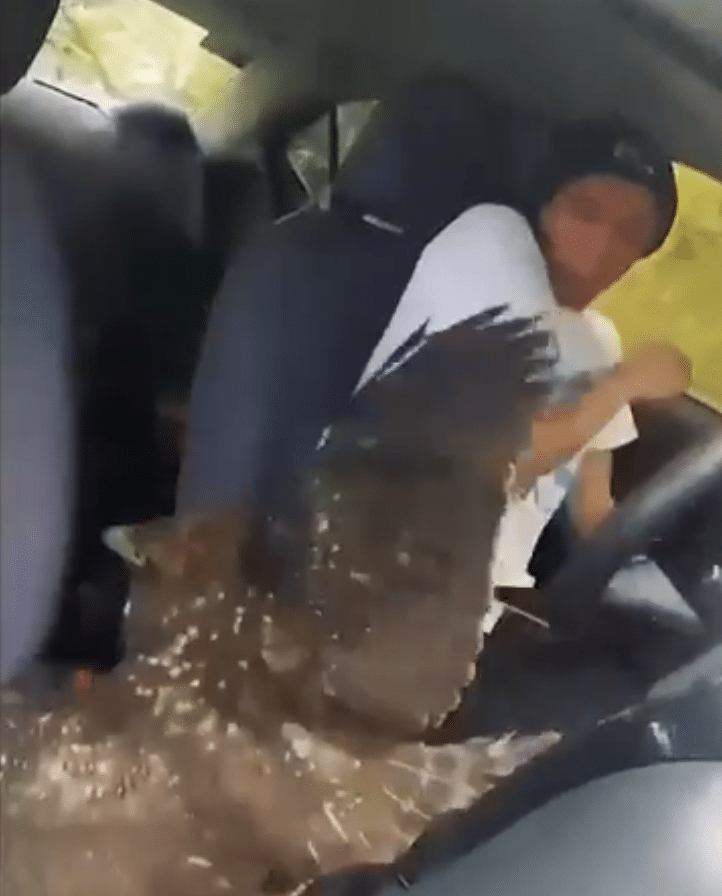
Kenngineering Notes: Bird-vehicle collisions
I was just reading the most recent research report from NZTA on bird-vehicle collisions (link below), and couldn’t help but think of this old viral video. Research Report 751: Considering bird-vehicle collision risks, effects, evidence, and mitigation in New Zealand....
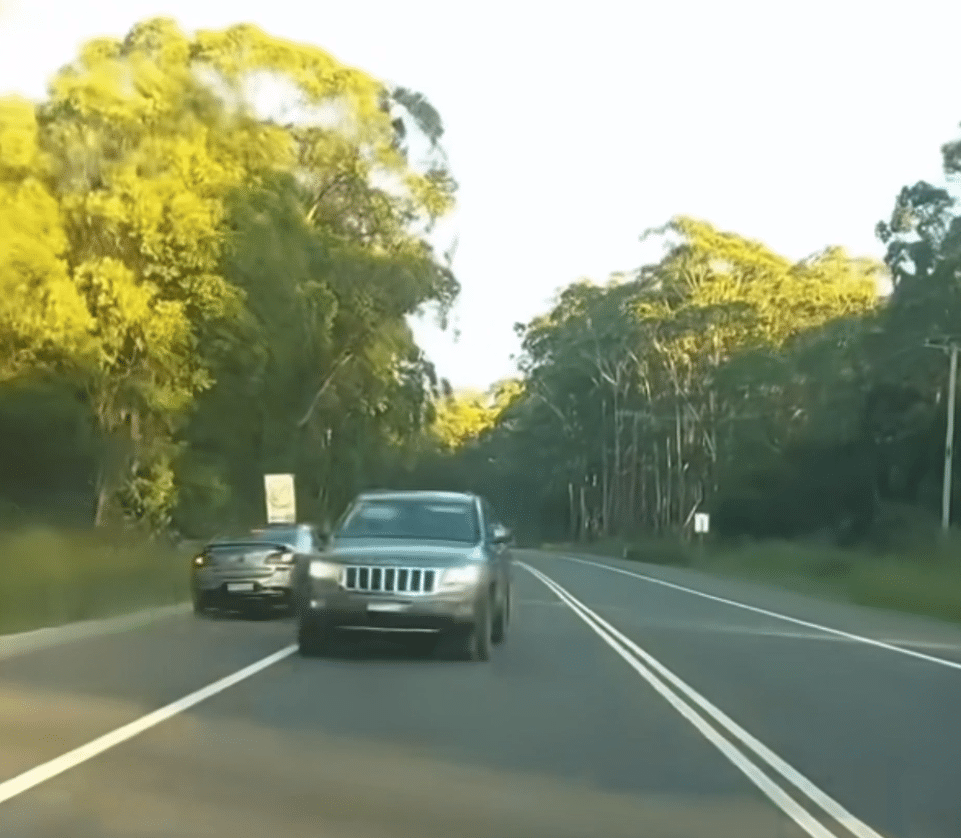
Safe System Snippet 567: Centrelines vs Barriers
Centrelines rely on perfect human performance. Barriers are designed for inevitable human error. ----------- Follow Safe System Solutions Pty Ltd on LinkedIn for more updates and road safety industry news.
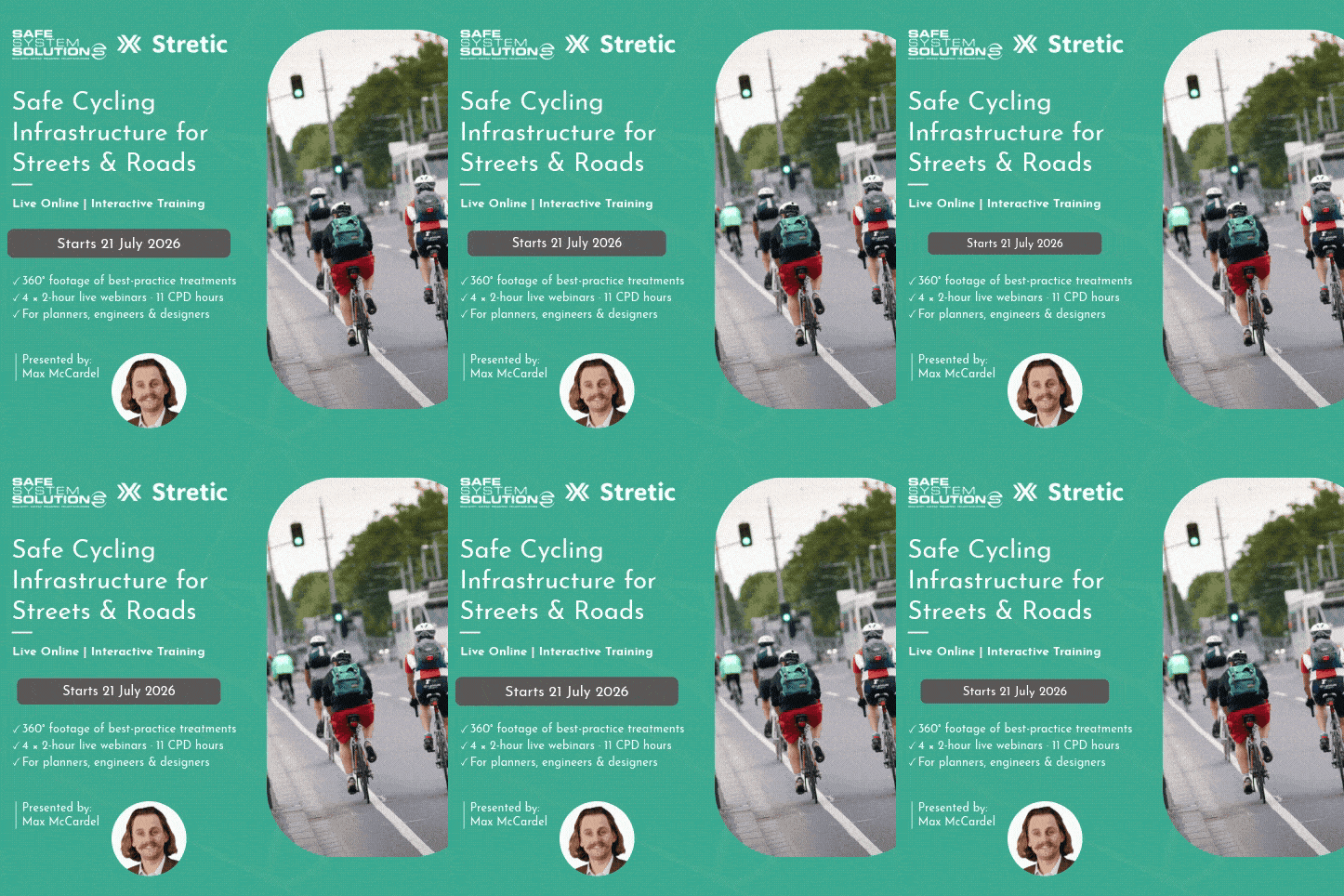
Safe Cycling Infrastructure for Streets and Roads
Our Safe Cycling Infrastructure for Streets and Roads course kicks off online on 21 July 2026! It is a great way to sharpen your skills in spotting safety risks and designing better infrastructure for cyclists. 𝗥𝗲𝗴𝗶𝘀𝘁𝗲𝗿 𝗡𝗼𝘄 ----------- Follow Safe System Solutions Pty...
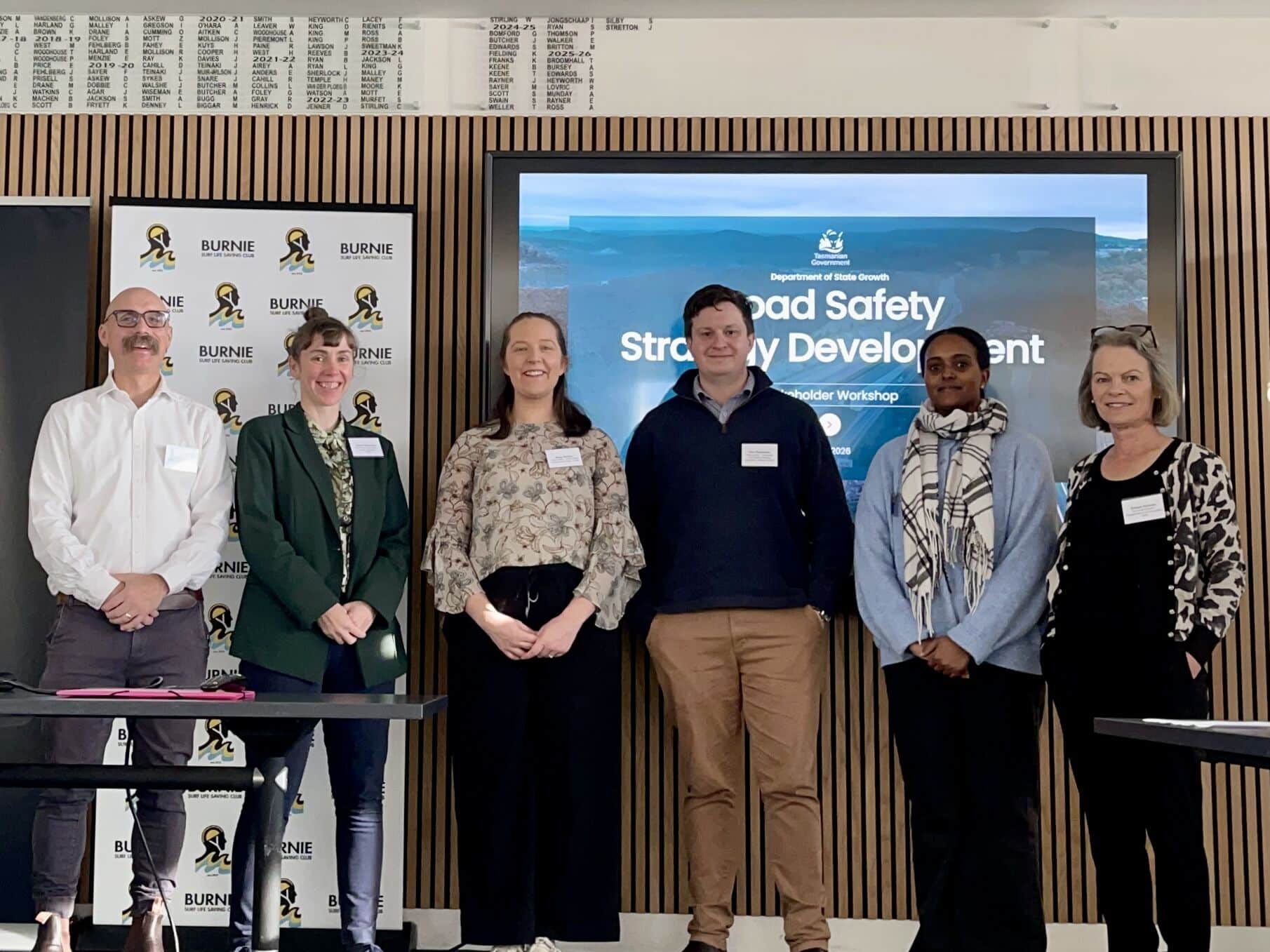
Kenngineering Notes: Last week’s Safe System adventure in Tasmania
A few photos from last week’s Safe System adventure in Tasmania. ✅ Deep conversations about how we can reduce road trauma.✅ Facilitating great workshops.✅ Roads. ✅ Streets. ✅ Paths.✅ Barriers.✅ Coffee.❌ . . . regretting asking about the business case for the stadium....
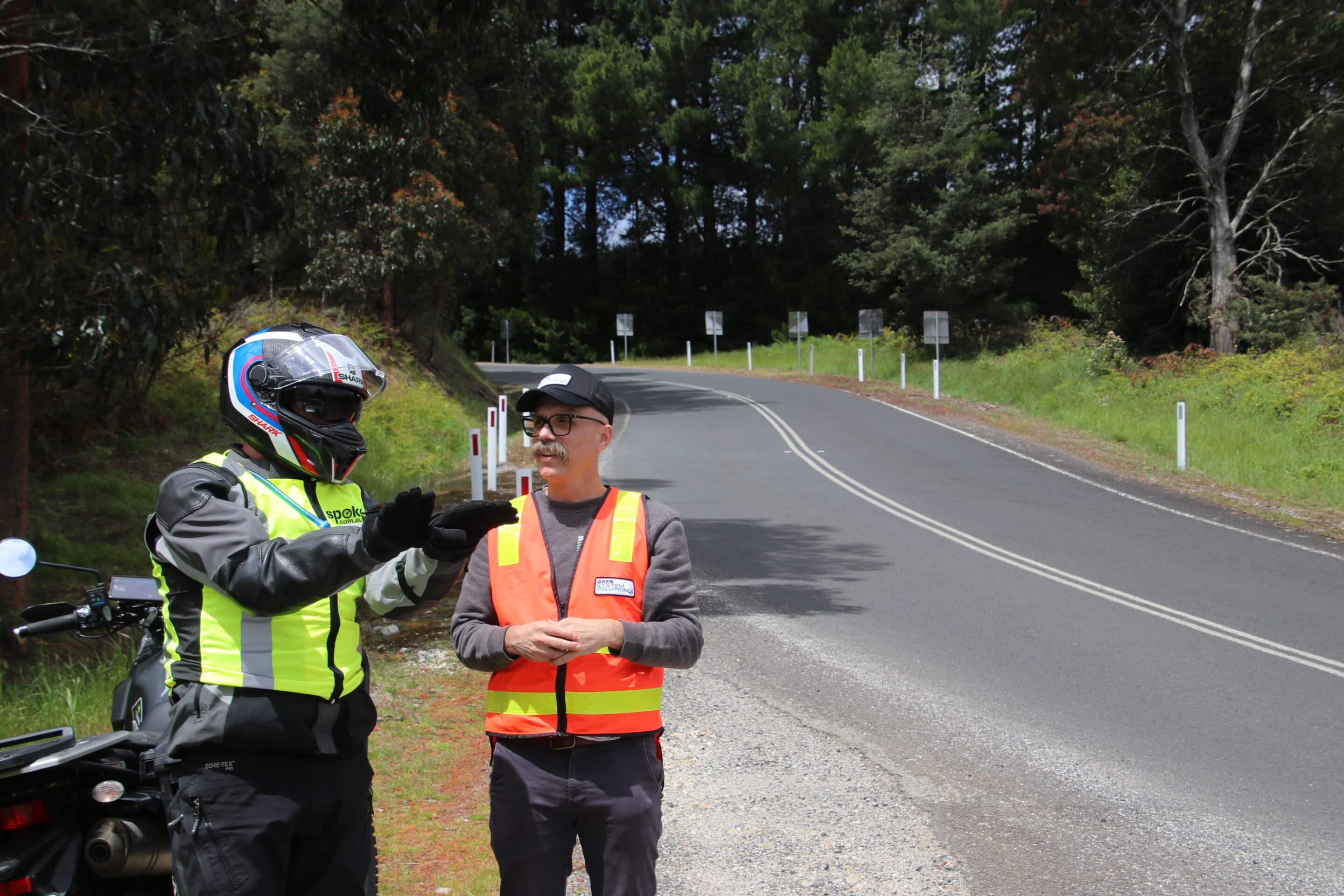
Thematic Road Safety Audits: Motorcycle
Thematic Road Safety Audit: Motorcycle
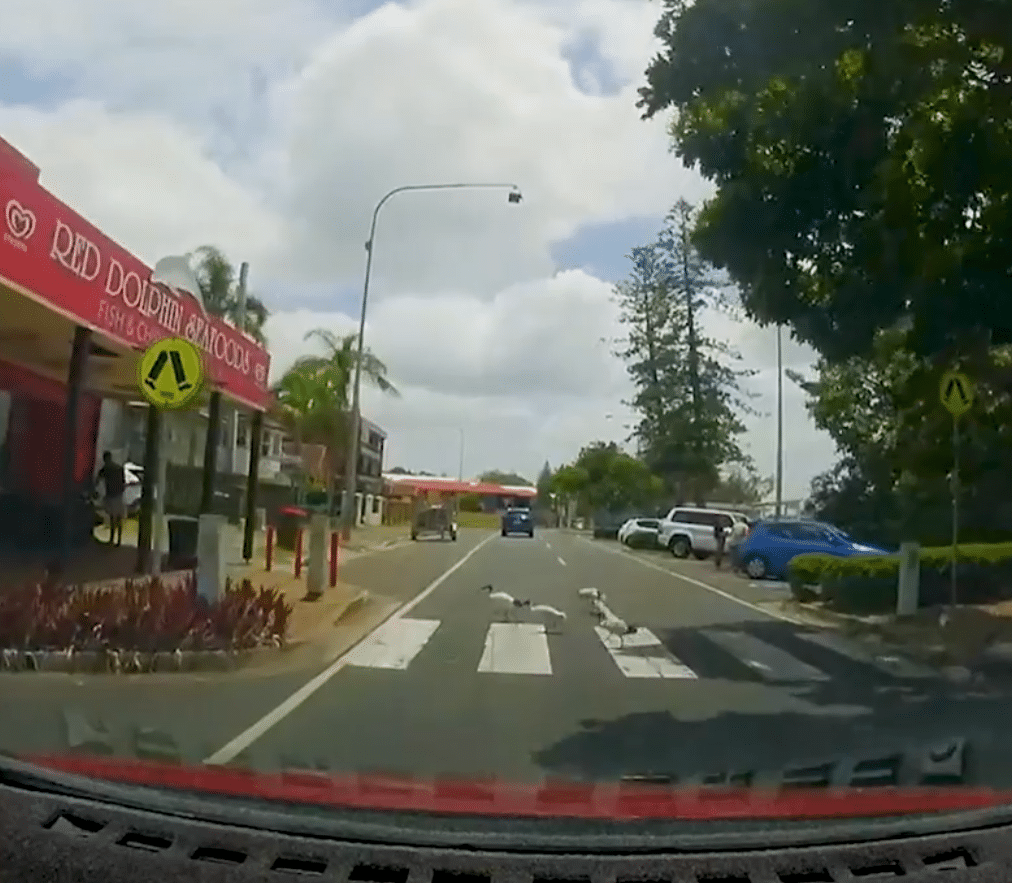
Kenngineering Notes: Margate’s bin chickens are surprisingly compliant road users.
Margate's bin chickens are surprisingly compliant road users. Cross at the pedestrian crossing.Head straight to the fish & chip shop.Acquire chips. Maybe that's because the crossing is exactly where it should be - on the desire line between origin and destination...
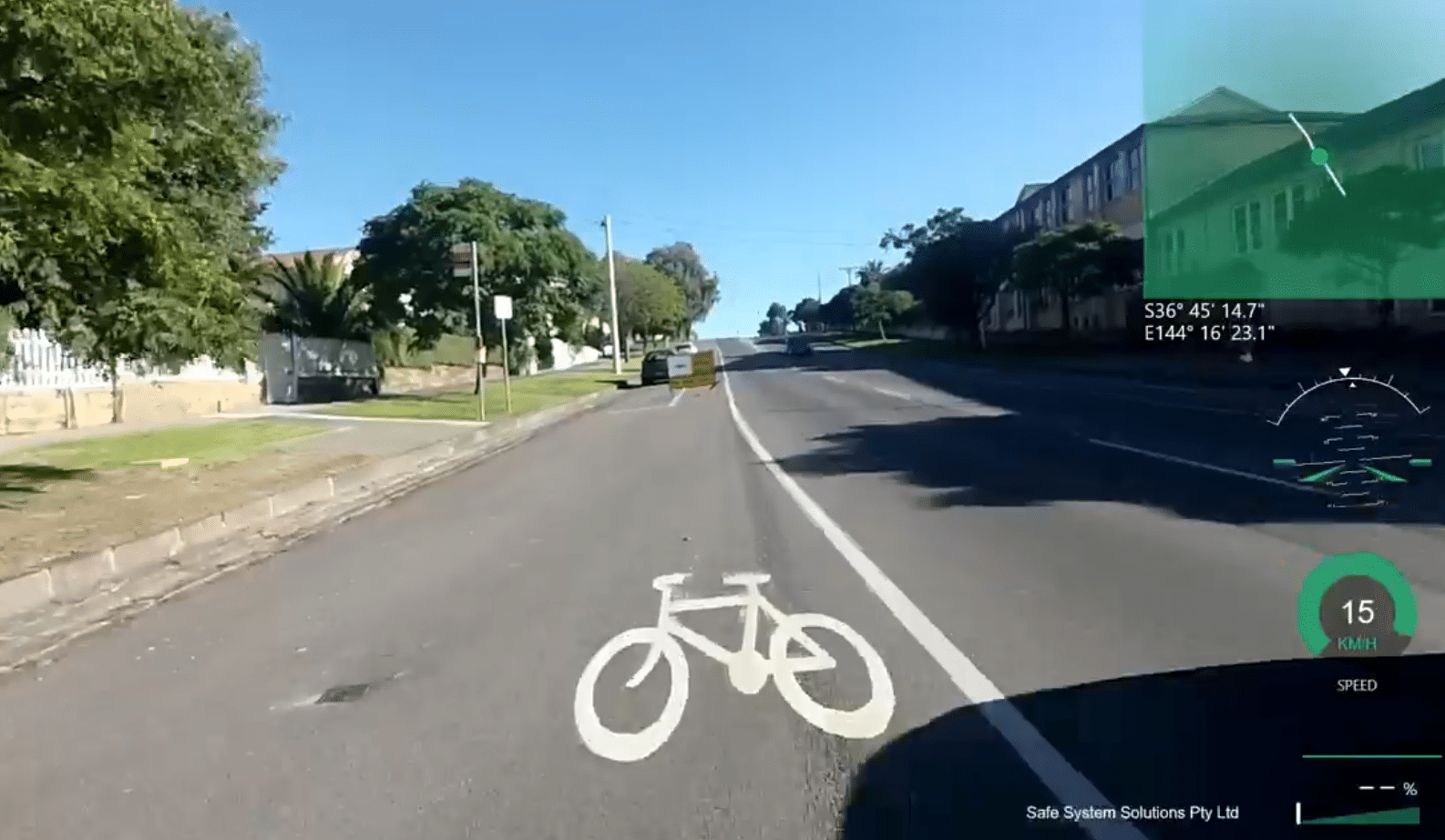
Safe System Snippet 566: Placement of Temporary Signs
If this sign was sitting in the middle of a traffic lane, how long would it last?Minutes? Yet when it's placed in a bike lane, we often seem to accept it. Temporary Traffic Management should work for everyone - not just people driving cars. Queensland's Department of...
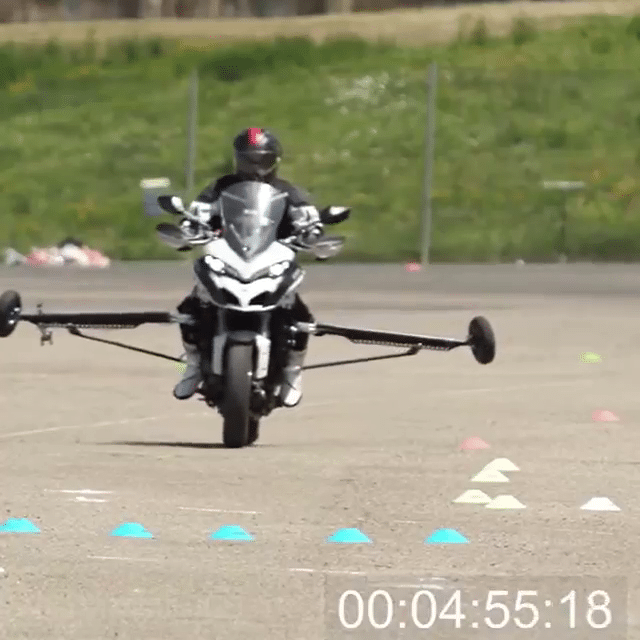
Kenngineering Notes: Auto Emergency Braking for motorcycles… part 2
I did a post recently about Auto Emergency Braking (AEB) for motorcycles. It generated some great discussion in the comments - and a healthy amount of scepticism. Read it here. One of the common concerns is: How does the system behave in the real world when a...
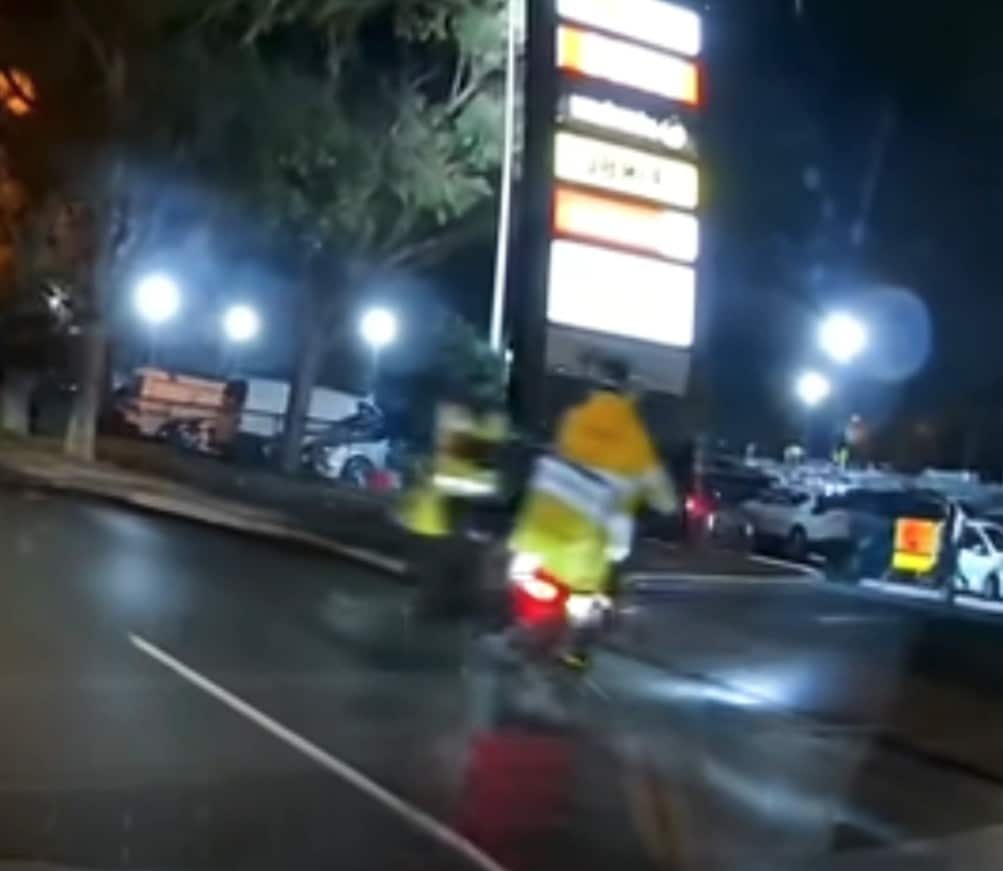
Kenngineering Notes: Bike x Bike Collisions
Last week someone asked me how I would code this crash. The crash occurred at the entry to Barkly Square in Brunswick, just down the road from one of the Safe System Solutions technical road/street design offices. This is that crash's code (by jurisdiction): 𝗩𝗜𝗖, 𝗧𝗔𝗦,...
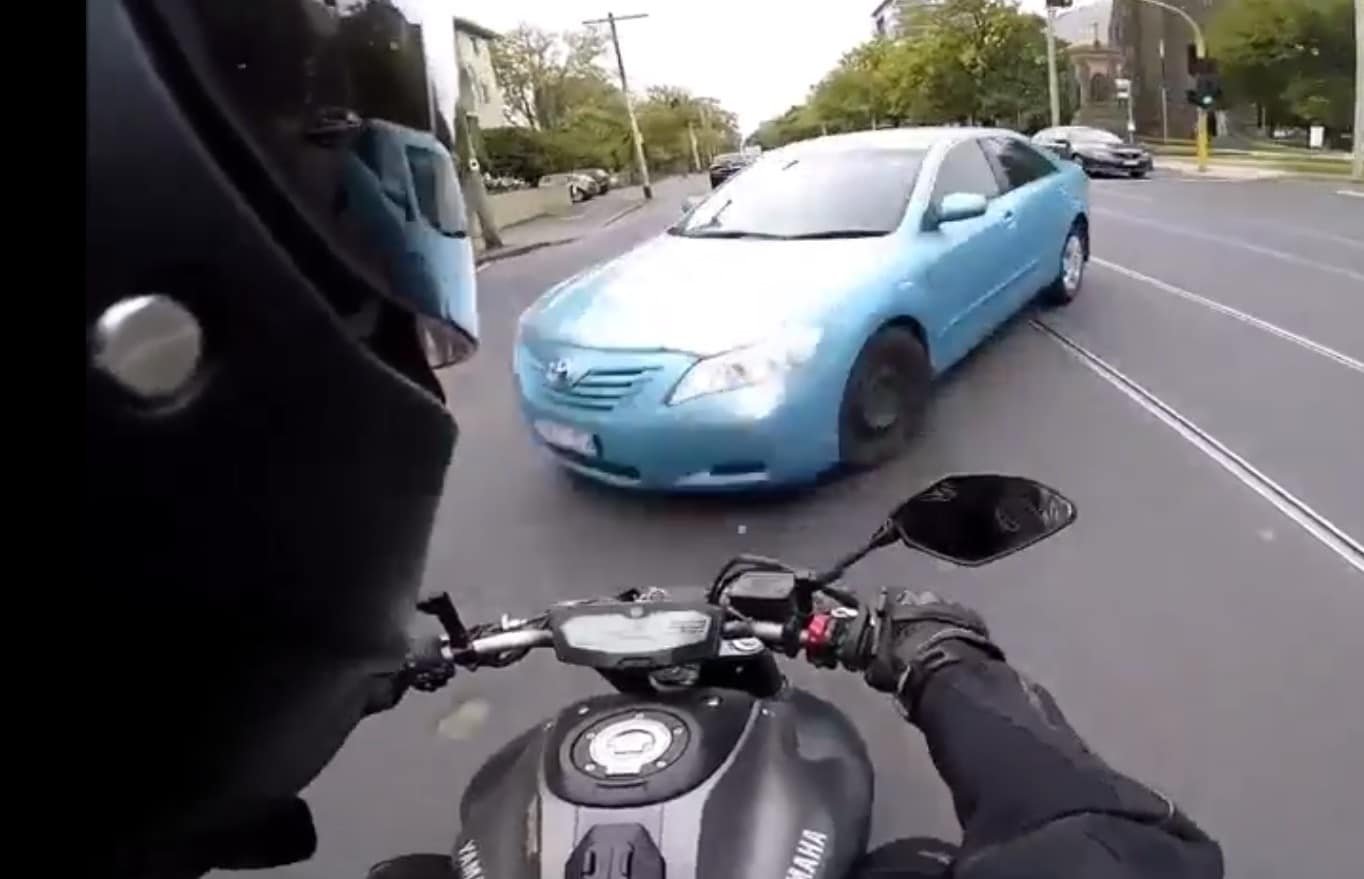
Kenngineering Notes: Motorcycles and Filter Turns
I just played this video as part of our interactive crash analysis in the Making Roads Motorcycle Friendly course. It’s an interesting example of how people view a crash differently. I for one have a very strong view that this is a significant system issue. Let me...
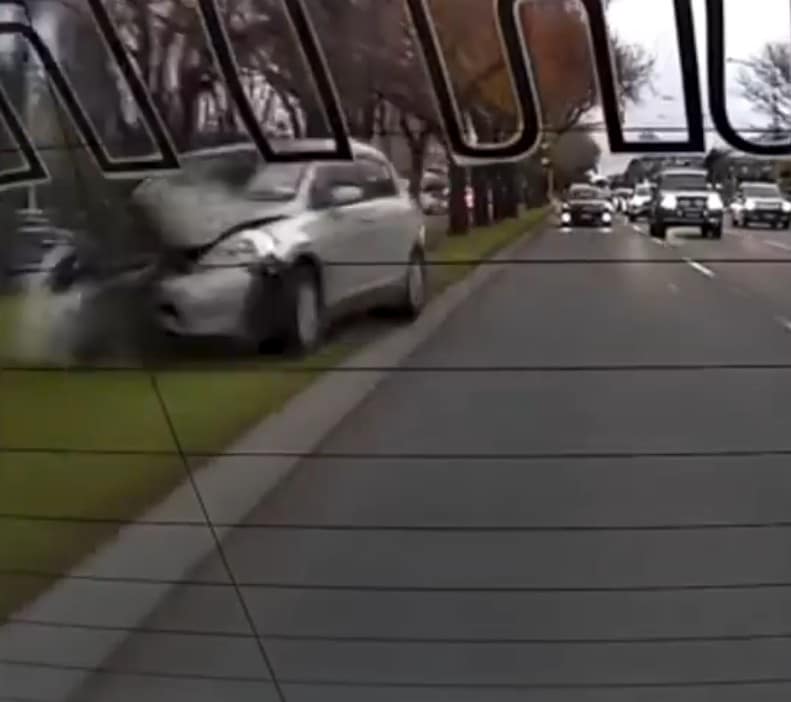
Safe System Snippet 565: Trees and road safety can mix
Some people will watch this and conclude that trees don't belong near roads. We'd argue the opposite... as long as it’s done right. Trees can make streets cooler, greener, more walkable and more inviting. They can even help create lower-speed environments that reduce...
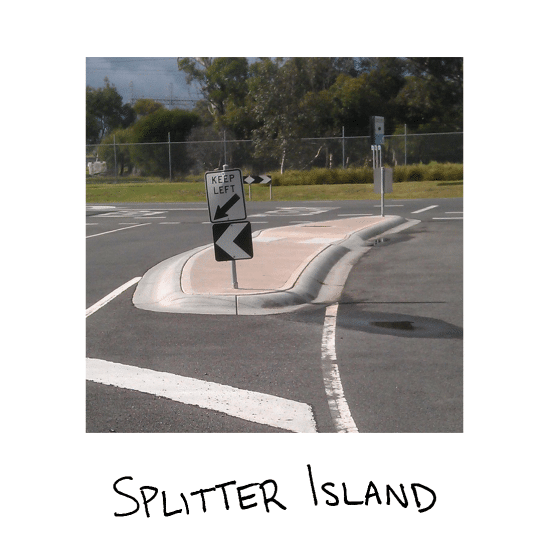
Kenngineering Notes: A dig into the Safe System Sketch archive
It's been a big week. Time to dig into the Safe System Sketch archive for some light road/street entertainment... ———- Follow Kenn Beer on LinkedIn for more updates and road safety industry news.
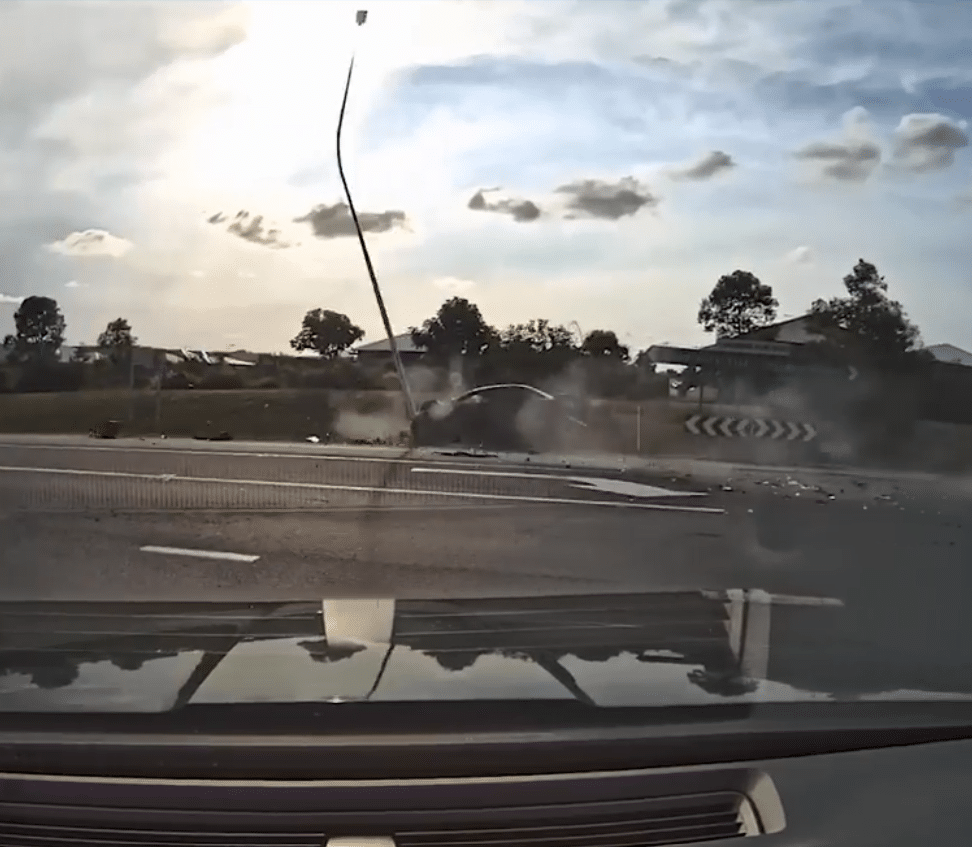
Safe System Snippet 564: The crash doesn’t always stop at the intersection
This video is a good reminder that intersection crashes don't always end at the intersection. A driver reacts to another vehicle or there is some collision. The vehicle leaves its intended path. And within an instant, roadside infrastructure becomes the next hazard in...